
Avalanche risk management
Category: knowledge and practices concerning nature and the universe
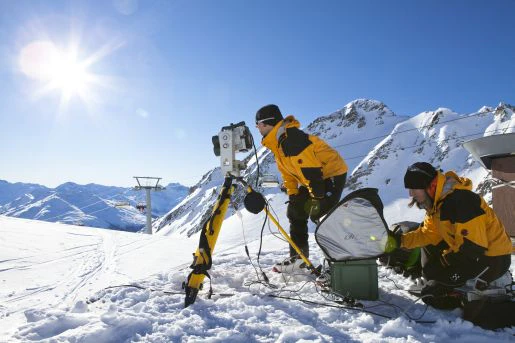
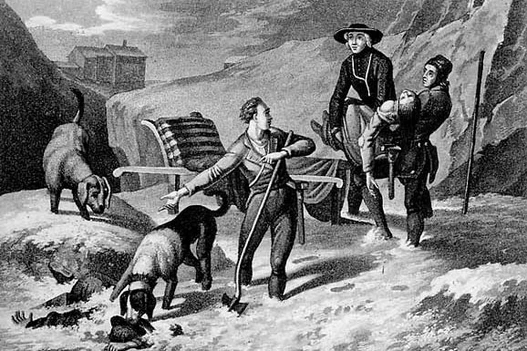
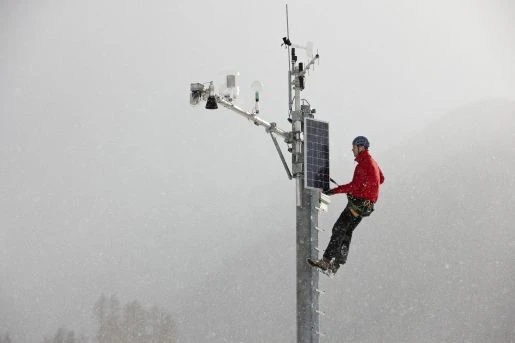
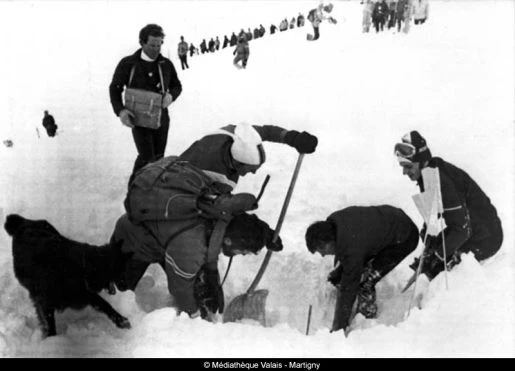
Avalanche risk management is carried out by mountain guides and ski lift operators, assisted in their work by specialist researchers. It comprises a broad range of intangible and scientific know-how and expertise, such as surveys of precipitation (wind, rain, mild spells), snow cover and types of snowflake, as well as prevention measures for winter sports enthusiasts. A far cry from the chocolate-box images of St. Bernards with a keg of whiskey around their necks, this demanding work, often done by those with a passion for the mountains – although they may be treacherous – is carried out as much on the ground as behind the scenes. On the one hand, it involves minimising risks by developing natural and artificial protective measures. On the other, it involves raising awareness among skiers and hikers by providing accurate and constantly updated information on the dangers. Finally, on the ground, in addition to surveying conditions, the activity also involves various protection and management measures, such as avalanche triggering. This ability to evaluate the risks is based on informal and scientific knowledge passed down over several centuries. While the activity is becoming increasingly professionalised, it still requires a personal and intimate knowledge of an immediate environment – e.g. a valley or resort – and entails a high level of interpersonal contact and communication, particularly with lay people who are interested in the subject.
On 29 November 2018, the 13th session of the Intergovernmental Committee for the Safeguarding of the Intangible Cultural Heritage in Port Louis (Republic of Mauritius) inscribed avalanche risk management on its representative list.
Federal Office of Culture
Section Culture and society
Hallwylstrasse 15
3003 Bern