
Davos Declaration and Davos Baukultur process
The Davos Declaration calls for high-quality Baukultur in Europe. As the first internationally recognised policy document, it has served since 2018 as a reminder that building is culture and creates space for culture.
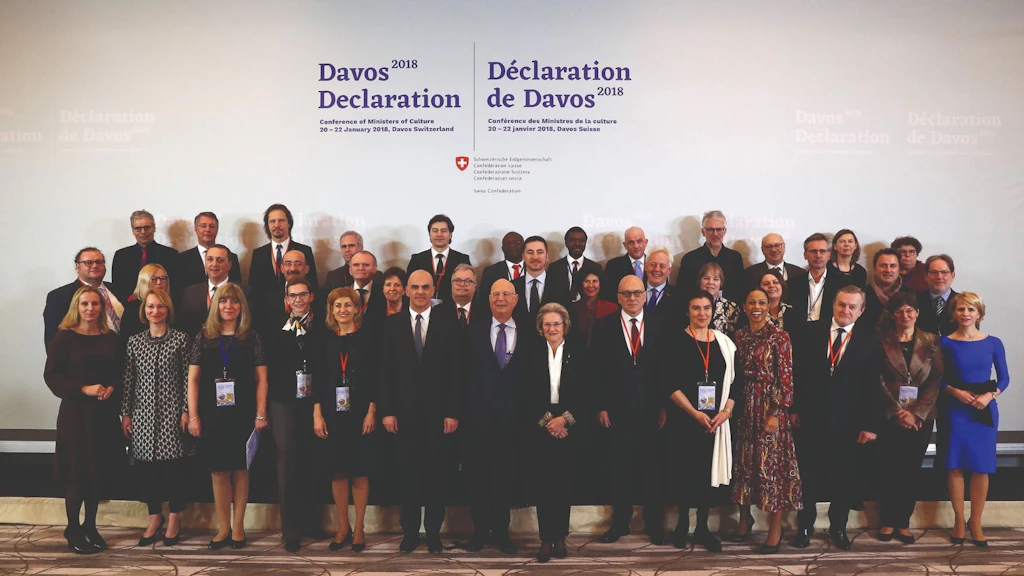
Towards a high-quality Baukultur for Europe and beyond!
To achieve this goal, the European Ministers of Culture approved the Davos Declaration in 2018 on the initiative of Switzerland. The European states commit to embedding high-quality Baukultur on a political and strategic level. This provided the basis for the adoption of the Davos Baukultur Memorandum and the launch of the Davos Baukultur Alliance in 2023. Politics, the private sector and civil society all commit through the Davos Baukultur Alliance to improved city, village and landscape planning.
The Davos Declaration reminds us that building is culture and creates space for culture. More countries, organisations, institutions and companies are committing to the declaration. It is broadly debated worldwide and forms the basis of the Davos Baukultur Process.
Central themes are explored in greater scientific depth and key terms clarified in the Davos Baukultur Process. At the same time, strategies are being implemented at a political level that acknowledge the cultural aspects of preservation, planning and building and establish high-quality Baukultur as a political priority.
The Federal Office of Culture (FOC) is committed both substantively and strategically to international cooperation and networking in Baukultur.
International cooperation
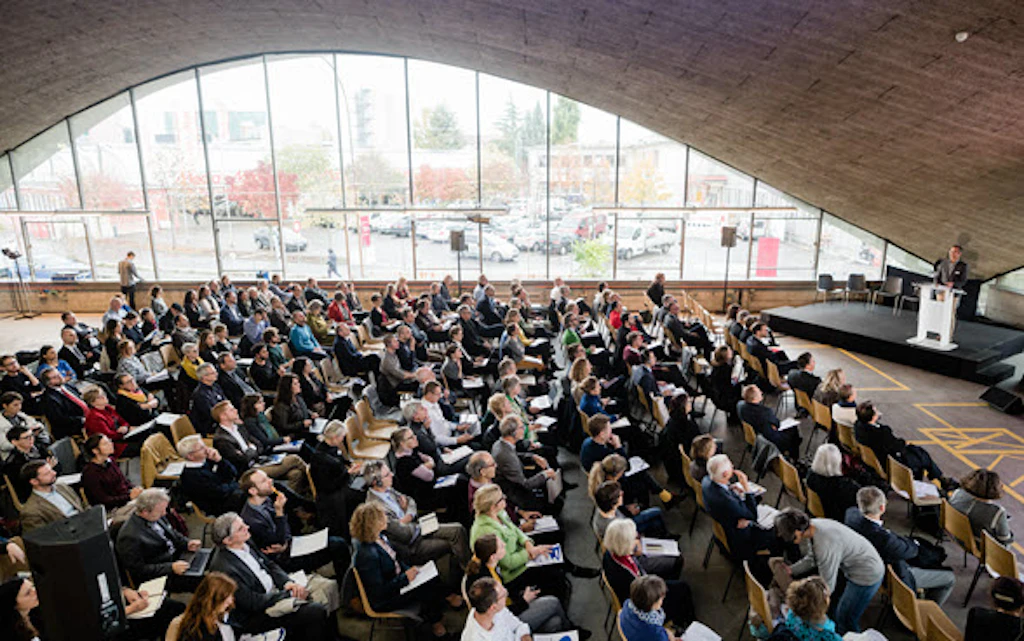
The Davos Declaration is the most significant international text on Baukultur. Basic themes need to be defined in more detail to implement the policy paper in a specific setting. The debate also needs to be continued at a political level.
The international, interdisciplinary cooperation is strengthened within the Davos Baukultur Alliance. Alliance members include national ministries, civil society organisations as well as construction and real estate companies.
The Federal Office of Culture (FOC) is committed to this multi-faceted international cooperation. It organises and contributes to meetings and political debates. It also supports and initiates research and publishes articles and basic principles.